Maintenance, Reliability & Warrantys
Jan 15, 2026
Reducing Geyser Claims: Early Alerts for Water Damage Risk

Oliver Kopp
Head of Marketing
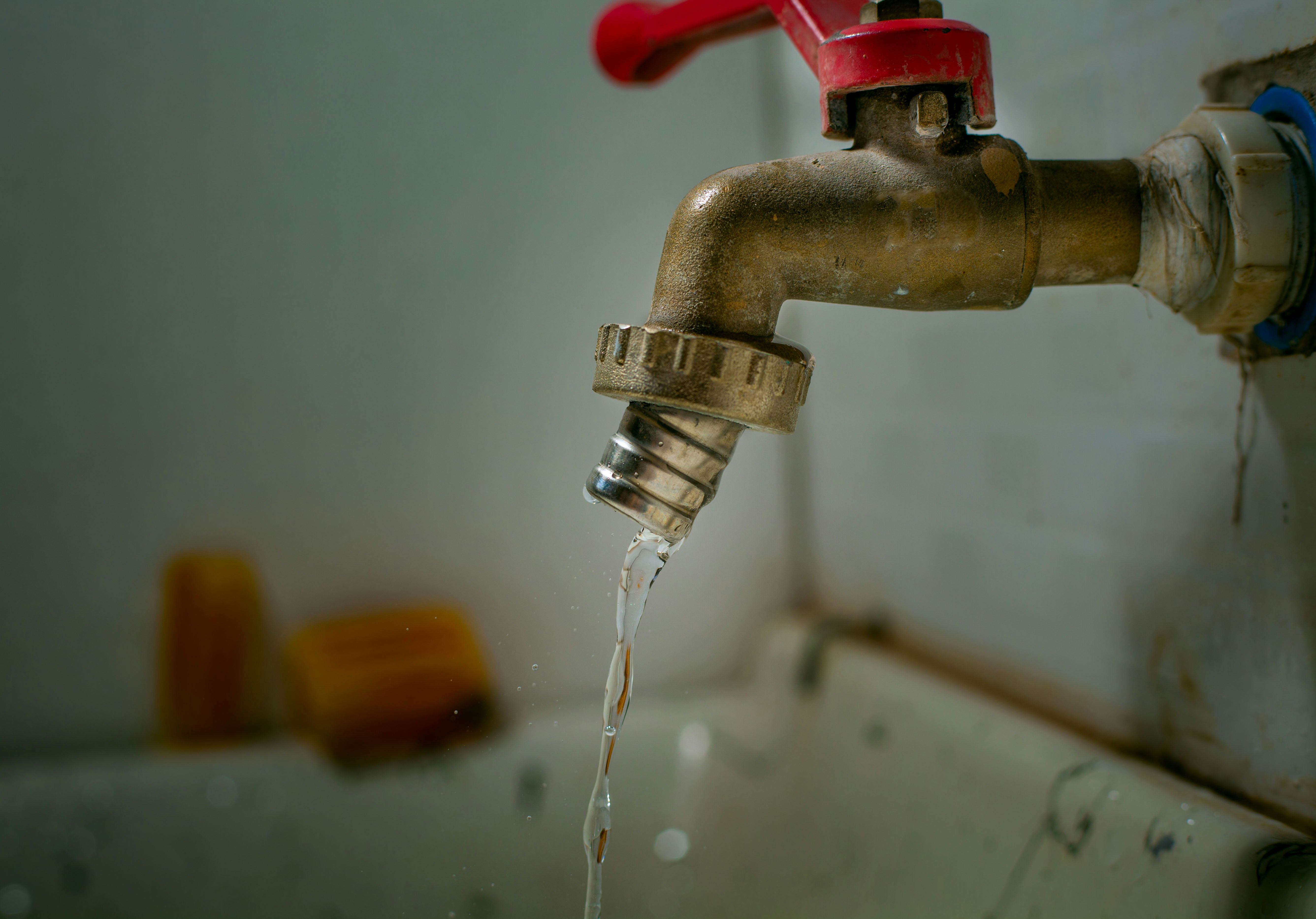
Most household water damage doesn’t start with a flood.
It starts with a geyser that’s quietly failing — and a homeowner who has no idea.
For insurers, that’s the real challenge:
A high-frequency risk category with almost zero visibility before loss occurs.
Why geyser risk is hard to control
Geysers sit in ceilings, cupboards, roofs, garages — out of sight and out of mind.
So the typical “risk profile” looks like this:
No early warning signs are seen
Failure happens suddenly (burst, valve failure, leak)
Damage spreads fast (ceilings, electrics, cabinetry, flooring)
Claim value escalates before anyone can respond
Even responsible homeowners can’t manage a risk they can’t see.
The core issue: no data before the claim
Historically, geysers have been “dumb” assets:
no condition monitoring
no performance history
no failure indicators
no alerts
Which means insurers are forced to price and manage geyser risk reactively:
after the incident, after the damage, after the claim.
A better model: detect early, respond fast
The biggest win for insurers isn’t predicting the exact day a geyser will fail.
It’s creating a system that:
flags problems early
reduces time-to-response
shrinks damage severity
reduces repeat incidents
The difference between a small leak caught early and a burst discovered hours later is the difference between:
a minor repair vs a major claim.
Where Elon Smart Water fits in
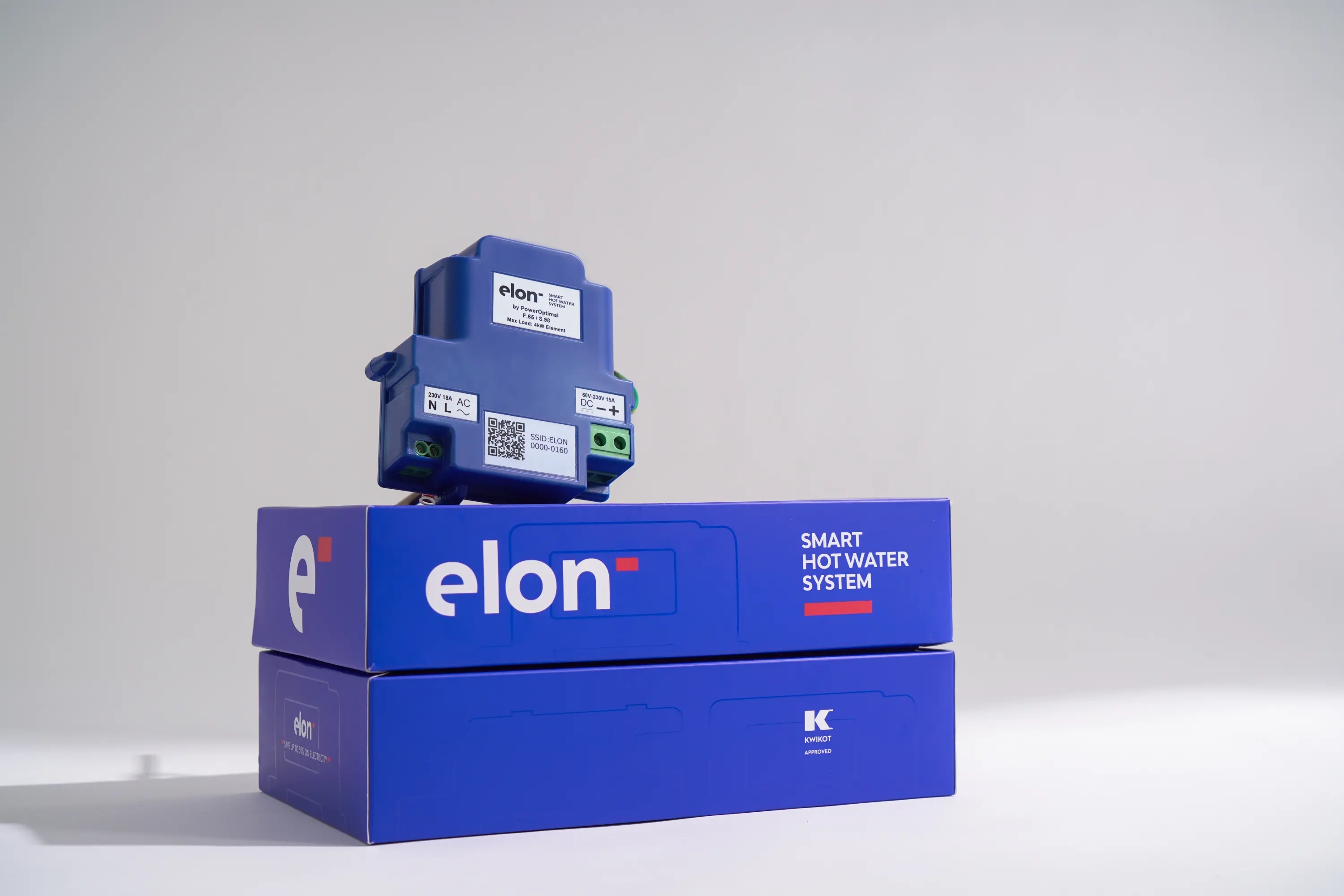
Elon Smart Water upgrades a geyser from a hidden liability into a monitored asset.
What it enables
Early alerts when abnormal conditions are detected
Leak detection signals that help trigger faster intervention
Visibility into a household’s hot water system that previously didn’t exist
A preventative narrative: reduce loss, don’t just pay for it
It turns geyser failure from a surprise event into something that can be acted on.
What insurers can do with this
1) Reduce claim severity
If homeowners receive early alerts, they can act before damage spreads.
2) Lower “time-to-discover”
The biggest cost driver in water damage is often how long it runs unnoticed.
3) Improve risk selection / segmentation (over time)
With visibility, insurers can begin to separate:
high-risk households (no engagement, repeated alerts ignored)
fromlower-risk households (respond quickly, maintain system health)
4) Build smarter incentives
Instead of blanket premium increases, insurers can explore:
monitored home incentives
claim-reduction programmes
proactive maintenance nudges
(all without changing how the homeowner uses hot water)
FAQs
Are geyser problems always sudden?
Not always. Many failures present warning signs — the issue is that homeowners typically don’t see them early enough.
Does early alerting prevent every claim?
No. But it can meaningfully reduce frequency and severity, especially where the main cost driver is water running unnoticed.
Why is “visibility” a big deal for insurers?
Because without it, geysers are priced as unknown risk. With it, insurers can move toward measurable behaviour and faster response.
Want fewer geyser-related water damage claims?
Elon Smart Water adds early alerts and monitoring to one of the biggest hidden risks in the home — helping households respond earlier and limit damage.
Oliver Kopp
Head of Marketing