Hot Water Costs & Savings
Jan 7, 2026
How Much Does It Cost to Run a Geyser in South Africa?

Oliver Kopp
Head of Marketing

If your electricity bill feels high for “no real reason”, it’s usually not the toaster or the TV.
It’s hot water.
A geyser quietly pulls more power than almost anything else in the house — and it does it every day.
This guide breaks down what a geyser typically costs to run in South Africa, what makes it more expensive, and what you can do about it.
The Short Answer
Most South African homes spend roughly R500 to R1,800+ per month on geyser electricity — depending on:
your tariff (what you pay per kWh)
household size and shower habits
geyser size and thermostat setting
insulation and pipe heat loss
whether you heat water during peak times
Why the Geyser Costs So Much
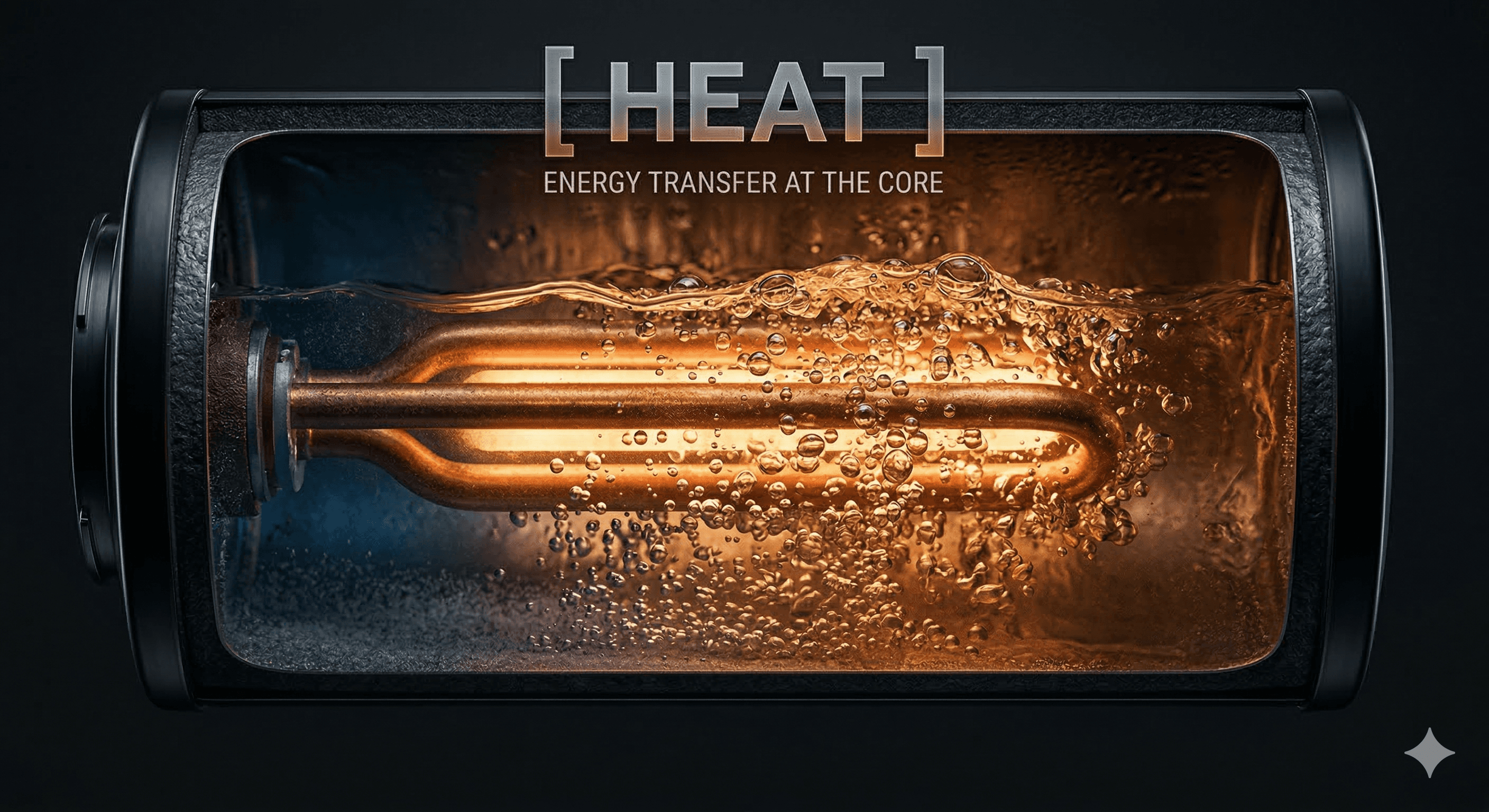
A geyser isn’t “using electricity” once-off. It’s constantly fighting heat loss.
Even if nobody showers, the tank cools down and the element switches on to bring it back up to temperature. That’s why many homes pay a significant hot-water bill even when they’re away.
A Simple Way to Estimate Your Monthly Geyser Cost
You only need two numbers:
How much hot water energy you use (kWh per month)
Your electricity tariff (R per kWh)
Step 1: Estimate your geyser energy use
A common real-world range for geyser energy use is:
150–400 kWh per month (small household / efficient usage)
400–800 kWh per month (typical family usage)
800+ kWh per month (large household, high usage, poor insulation)
Step 2: Multiply by your tariff
Monthly cost = kWh per month × R/kWh
Example calculations
If your geyser uses 500 kWh/month:
At R2.50/kWh → R1,250/month
At R3.00/kWh → R1,500/month
Even at moderate usage, the geyser becomes a serious line item.
What Changes the Cost the Most
1) Household size and shower duration
More people = more hot water = more reheating cycles.
2) Thermostat setting
Many geysers are set hotter than they need to be. Higher temperature = more loss + more heating.
3) Insulation (geyser blanket + pipe lagging)
Heat escapes through the tank and the first few metres of pipe. Insulating both reduces how often the element runs.
4) Winter vs summer
In winter, incoming water is colder and heat loss is higher — so the geyser runs longer.
5) Heating water during peak times
When the element runs during expensive time-of-use windows, the same kWh costs more.
How to Reduce Geyser Costs Without “Cold Showers”
Here are the upgrades in order of simplicity:
1) Set a sensible thermostat temperature
A small change here can have a noticeable impact over a month.
2) Add insulation (blanket + pipe lagging)
This is the lowest-cost efficiency win for most homes.
3) Add a timer or smart control
Heating water when you actually need it beats “always on”.
4) Upgrade to a Solar-PV ready hot water system
This is the biggest step-change: instead of paying the grid to heat water, you prioritise solar energy first.
The best part? It can be done without changing your existing geyser, depending on your setup.
The Real Goal: Reduce Grid Hot Water, Not Hot Water
Most people don’t want to “use less hot water.”
They want to pay less for it.
The smartest systems don’t punish lifestyle — they reduce grid dependence.
That’s the point.
A Practical Rule of Thumb
If your monthly electricity bill is high, your geyser is likely responsible for 30%–60% of it.
That’s why improving hot-water efficiency often delivers the fastest household savings.
FAQs
How many kWh does a geyser use per month in South Africa?
A typical home ranges from 300 to 800 kWh per month, depending on household size, usage, and insulation.
Does switching the geyser off during the day save money?
Sometimes. It depends on usage patterns and heat loss. Timers and smart control generally outperform “manual off”.
Is it cheaper to heat water with solar PV than electricity?
If solar is available when the geyser needs heating, solar PV can significantly reduce grid consumption — meaning your effective cost per litre of hot water drops significantly.
Want to cut your hot water costs?
With the right setup, Elon Smart Water can help you run up to 100% of your water heating from the sun.
Oliver Kopp
Head of Marketing
Related Blogs